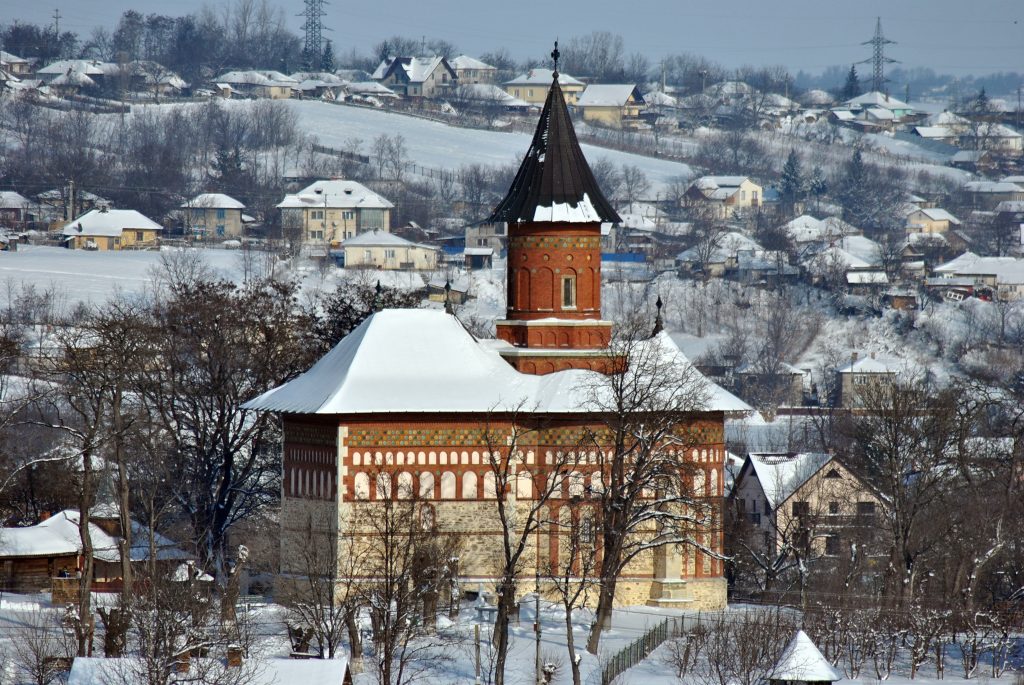

Celebrating Sfantul Nicolae in Romania
Cecily (Year 12) explores the history and traditions of Saint Nicholas.
In many Eastern European countries Saint Nicholas Day or Sfantul Nicolae is celebrated on 6th December. The tradition is based on Nicholas of Myra who was a 4th century Patron Saint of Children. His generosity began when he heard of a devout man who had lost all his wealth and was unable to afford dowries for his daughters. A dowrie is money paid from the bride’s family to the groom’s. Nicholas threw a purse of gold coins through the devout man’s window. Thus began the tradition of receiving gifts on Sfantul Nicolae.

In Romania, children prepare for this night by leaving their shoes, freshly shined, out for Saint Nicholas. They expect to find sweets, fruits, gifts, or coins in their boots the next morning if they have been good that year, however, if they haven’t been so good then they would traditionally find a wooden whip, nowadays it is usually a twig instead! This is an important tradition for families who all add their own twist to the celebration. Some teach their children how to shine shoes as they leave them out and some use this day to teach the importance of giving. In the evening, families have a big dinner with a special main dish that is reserved for the holidays only. Some examples of these meals include ‘Piftie de Peşte’ which is a fish dish and ‘sarmale’ which are stuffed cabbage rolls.

Sfantul Nicolae marks the start of winter, because if it often snows on this day. It is believed that Saint Nicholas is shaking his beard. It is a huge celebration across most of Europe but especially in Romania, where over 1000 churches are dedicated to Sfantul Nicolae. Over 90% of Romanians expect to give something on Sfantul Nicolae, spending on average £85. These gifts tend to be smaller because the idea is that they fit into the boot. Romanians also celebrate Christmas (Crăciunul) on the 24th and 25th of December with their Winter celebrations ending on January 6th with Epiphany (Boboteaza) and followed by Saint John’s Day on January 7th.
Bucurați-vă de sezonul sărbătorilor! (Enjoy the Holiday Season!)